
aluminum scrap is rapidly changing from an ordinary recycling commodity into a strategically important industrial resource. Manufacturers in the United States, the United Kingdom and the European Union are paying closer attention to how aluminum scrap is collected, processed, sorted and retained within domestic supply chains.
This change is being driven by several pressures at the same time: growing demand for aluminum, limited primary production capacity, higher energy costs, supply-chain risks and the need to reduce industrial carbon emissions.
For recycling companies, the trend creates a significant opportunity. However, it also increases the importance of producing cleaner and more consistent aluminum fractions that can meet the requirements of secondary aluminum producers, remelting plants and downstream manufacturers.
The United States Is Expanding Its Focus on Secondary Aluminum
In July 2026, the Aluminum Association called for a broader strategy to strengthen the American aluminum supply chain. Its recommendations included additional investment in domestic recycling capacity, better sorting technology and targeted controls on some aluminum scrap exports.
The association reported that approximately 85% of current U.S. aluminum production is secondary aluminum. It also stated that producing recycled aluminum requires about 95% less energy than producing primary aluminum through conventional smelting.
This does not mean recycled aluminum can completely replace primary aluminum. Different alloys and manufacturing applications require controlled chemical composition, and primary aluminum is still needed to adjust or dilute certain recycled metal streams.
However, the growth of secondary production demonstrates that recovered aluminum has become central to the American manufacturing system rather than a marginal source of material.
Employment data also reflects this shift. According to a June 2026 Aluminum Association report, employment in secondary aluminum production increased by more than 20% between 2024 and 2026. The wider U.S. aluminum industry generated more than $115 billion in direct economic output during the period covered by the study.
The United Kingdom Warns of a Future Aluminum Scrap Shortage
Similar concerns are emerging in the United Kingdom.
British manufacturing organization Make UK warned in June that continued growth in aluminum scrap exports could weaken domestic supply chains serving the automotive, defence, clean-energy and digital-technology sectors.
The organization estimated that the UK could need as much as six million metric tons of recyclable aluminum scrap by 2035. It also said aluminum scrap collection and sorting capacity may need to grow by approximately 25% per year to meet projected requirements.
UK exports of aluminum waste and scrap reached 624,314 metric tons in 2025, representing a 43% increase compared with 2016. Make UK consequently called for additional investment in domestic sorting and pre-processing capacity.
The issue is not simply the total quantity of scrap available. Manufacturers need aluminum scrap that has been properly identified, separated and prepared for remelting.
Poorly sorted material may contain excessive iron, copper, zinc, stainless steel, plastic, rubber, glass, ash or other contaminants. These impurities can restrict the applications for which recycled aluminum can be used and may reduce its commercial value.
The European Union Is Considering Measures to Retain More Scrap
The European Union is also reviewing measures intended to retain more aluminum scrap within the region.
European Aluminium reported that EU aluminum scrap exports reached a record 1.27 million metric tons in 2025, approximately 50% higher than in 2019. The European Commission has been considering measures to limit some exports, although a decision originally expected earlier in 2026 was delayed until September.
The debate is not one-sided.
European aluminum producers argue that retaining more scrap would support regional decarbonization, manufacturing security and secondary aluminum production. Recycling companies have cautioned that poorly designed restrictions could reduce scrap prices, discourage collection and make some recycling investments less attractive.
This disagreement demonstrates an important point: retaining scrap alone does not create a successful circular aluminum industry.
A functioning recycling market also requires:
- Efficient collection systems
- Adequate processing capacity
- Reliable material classification
- Consistent quality specifications
- Strong demand from domestic remelting plants
- Competitive pricing for recovered material
Without these elements, export restrictions may simply move problems to another part of the supply chain.
Global Can Recycling Shows the Potential of Closed-Loop Aluminum
Aluminum beverage cans demonstrate what a more developed recycling system can achieve.
The International Aluminium Institute reported that aluminum beverage cans reached a global recycling rate of approximately 75% in 2023. Aluminum performed substantially better than PET bottles and glass bottles in the same study.
The results also showed major regional differences. Aluminum can recycling rates exceeded 94% in East Asia and the Pacific and in Latin America and the Caribbean, while other regions continued to experience collection and data-quality gaps.
High collection rates are only one part of closed-loop recycling. Used beverage cans must also be separated from steel cans, plastic containers, glass, moisture, dirt and other mixed municipal materials before they can return to can-sheet or secondary aluminum production.
This is where sorting quality becomes economically important.
Why Cleaner Sorting Matters for Recycled Aluminum
Aluminum can be recovered from many recycling streams, including:
- Used beverage cans
- Zorba and shredded non-ferrous scrap
- Automotive shredder residue
- Incinerator bottom ash
- Construction and demolition waste
- Mixed municipal recyclables
- Window profiles and building materials
- Household appliances
- Plastic and GLASS RECYCLING streams
These materials do not have the same composition or physical characteristics.
Used beverage cans are light and relatively thin. Zorba may contain aluminum mixed with copper, brass, zinc, stainless steel and other non-ferrous metals. Incinerator bottom ash can contain fine aluminum particles mixed with mineral material. Automotive shredder residue may contain metals together with plastic, rubber, foam, wire and glass.
As a result, one standard equipment configuration cannot deliver the same result for every application.
A practical recycling line must consider:
- Incoming material composition
- Material size range
- Moisture and dust levels
- Ferrous contamination
- Aluminum particle shape and weight
- Required processing capacity
- Target recovery rate
- Desired product purity
- Available plant space
- Downstream buyer specifications
Better control of these variables can improve both aluminum recovery and final product quality.
Sorting Technology Is Becoming Part of Supply-Chain Security
The growing strategic importance of aluminum scrap changes how sorting equipment should be evaluated.
Previously, a recycling plant might have focused mainly on processing capacity. Today, downstream buyers increasingly require predictable composition and lower contamination.
A system that processes more material but produces an inconsistent aluminum fraction may not generate the highest economic return.
Modern aluminum recovery projects therefore place greater emphasis on:
- Stable material feeding
- Effective ferrous metal removal
- Accurate material size classification
- Non-ferrous metal recovery
- Separation of aluminum from heavier non-ferrous metals
- Reduction of plastic, rubber and mineral contamination
- Consistent output quality
- Automated process control
These improvements help convert mixed scrap into a more usable industrial raw material.
CurrenTek Aluminum Recycling Solutions
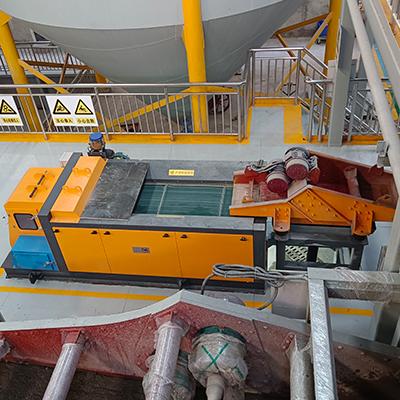
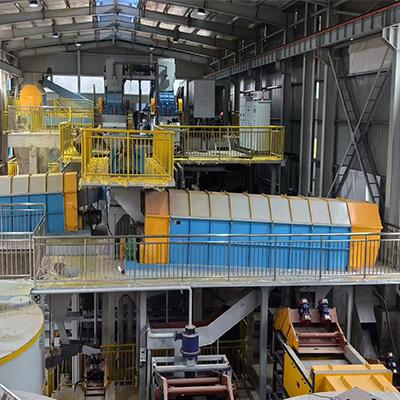
CurrenTek provides recycling sorting equipment and process configurations for aluminum-rich material streams, including UBC, Zorba, ASR, IBA and mixed scrap.
Each project should begin with an evaluation of the customer’s actual material rather than a fixed equipment list. Material samples, photographs, videos, capacity requirements and recovery objectives can be used to determine a more appropriate process configuration.
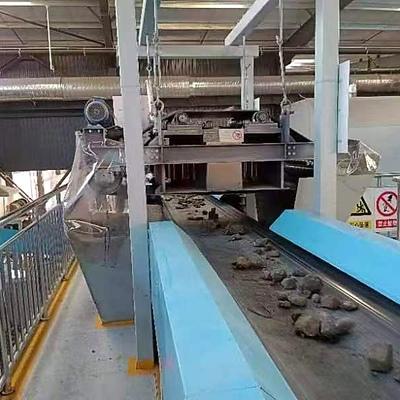
Depending on the application, a complete system may include material feeding, size classification, ferrous removal, non-ferrous recovery and additional upgrading stages.
The objective is not simply to remove metal from waste. It is to produce a cleaner, more consistent aluminum fraction that creates greater value for recycling plants and downstream processors.
Outlook for the Aluminum Recycling Industry
Recent developments in the United States, United Kingdom and European Union indicate that aluminum scrap will remain an important industrial and policy issue.
Governments and manufacturers are increasingly treating recycled aluminum as part of supply-chain resilience, energy strategy and manufacturing security. At the same time, recyclers need competitive markets and sufficient demand to justify continued investment in collection and processing.
The strongest recycling systems will be those that connect all parts of the value chain:
collection, sorting, recovery, remelting and manufacturing.
As demand for secondary aluminum grows, cleaner material preparation will become increasingly valuable. Recycling plants that invest in stable processing and higher-quality sorting will be better positioned to supply the next generation of circular aluminum production.
